হাই, আমি আপনার শিক্ষার সঙ্গী!

আপনার শিক্ষা এখান থেকে শুরু হয়
Skills for the Future
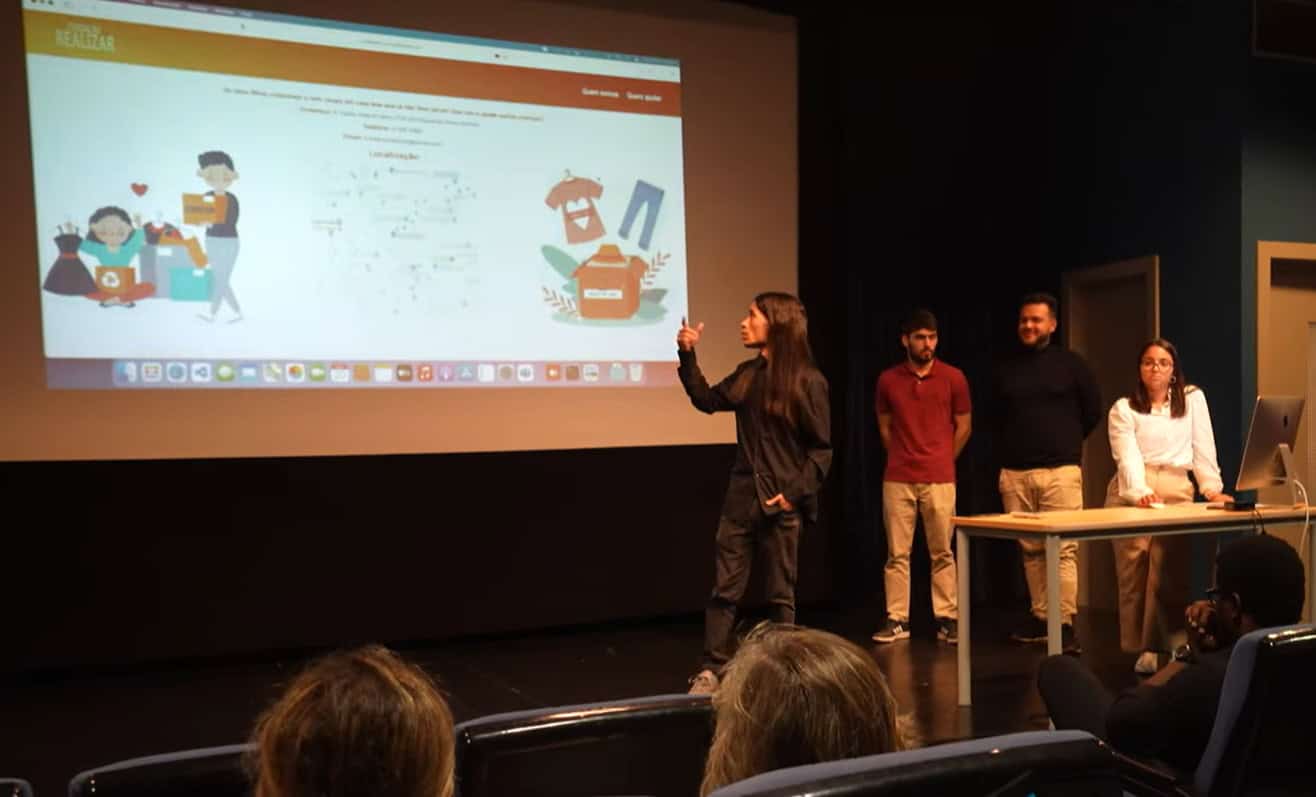
The Skills for the Future area focuses on developing the potential of individuals and communities, promoting opportunities for skills development, employability, entrepreneurship, and economic and social development.
In a context characterised by digital, environmental and economic transformations, it seeks to anticipate the challenges of the labour market and contribute to innovative, inclusive and sustainable solutions. By bringing together talent, technology, knowledge, investment and strategic partnerships, it promotes the development of essential skills for adapting to change, creating professional opportunities and enhancing the value of local areas.
This approach recognises that preparing people for the future means not only developing technical and digital skills, but also strengthening personal, social, creative and entrepreneurial capacities, which are fundamental to lifelong learning, active participation in society and the creation of more autonomous and sustainable career paths.
The resources provided reflect the Aga Khan Foundation’s experience and lessons learnt in promoting employability, skills development and entrepreneurship, bringing together knowledge and methodologies developed through initiatives such as Bytes4Future, training programmes for the green economy, business acceleration projects and strategies to support entrepreneurs and small businesses.
Aimed at professionals, organisations, decision-makers and development practitioners, these resources are designed to inspire best practice, share knowledge and support the development of solutions that strengthen economic inclusion, expand employment opportunities and contribute to communities that are more resilient, better skilled and better prepared for the challenges of the future.
Education, Language and Pluralism
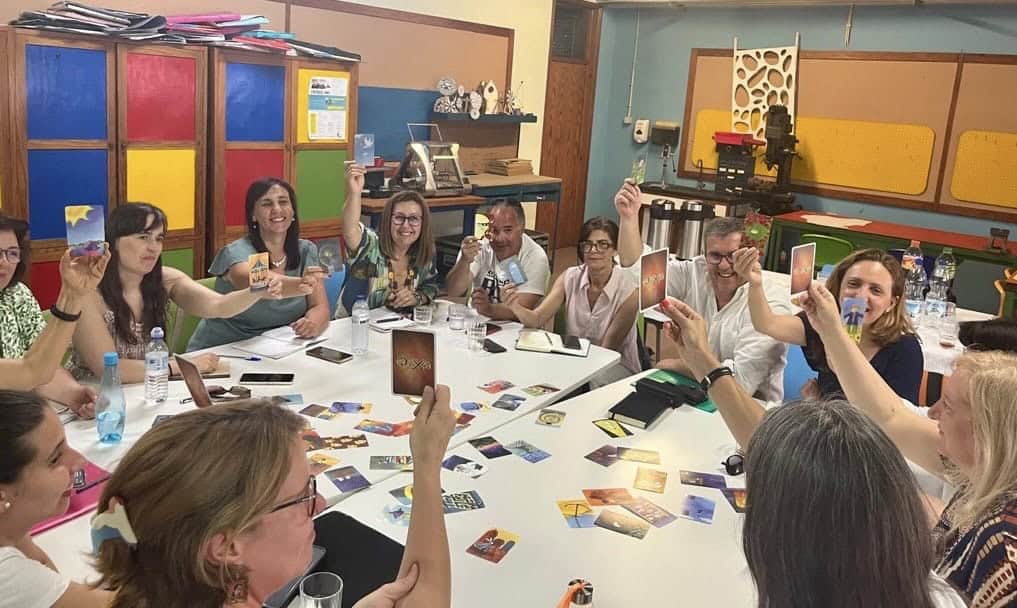
Education, Language and Pluralism is a comprehensive programme that integrates, consolidates and expands on more than two decades of work by the Aga Khan Foundation (AKF) in the field of education in Portugal.
Through various professional and organisational development programmes and projects, based on cycles of action research and training and on collaborative learning networks, the AKF has encouraged and supported hundreds of educators across the country to adopt creative and participatory approaches to co-create inclusive educational solutions and pluralistic learning environments, thereby promoting successful learning for all pupils.
The Education, Language and Pluralism Programme comprises two strategic pillars, which are translated into various projects and their respective training programmes and resources:
‘Plural Schools’ Pillar
This aims to promote accessibility, inclusion and the quality of learning environments for all pupils, through support and capacity-building for teachers, mediators, educational leaders and other education professionals, based on an innovation methodology led by educators and a Whole School Approach to diversity and pluralism.
Initiatives:
- Network of Schools for Intercultural Education (in partnership with AIMA, I.P. and EduQa, I.P.)
- Escolas2030 Programme
- Training Programme for Linguistic and Cultural Mediators (available to registered trainees)
‘Language, Literacy and Multilingualism’ Strand
This focuses on promoting the learning of reading and writing in Portuguese throughout the life cycle in multicultural and multilingual contexts, both by supporting professionals and developing educational resources for use in training and teaching, and by fostering literacy within family and community settings.
Initiatives:
- Conto Contigo – family literacy programme
- Todos Contamos – learning the Portuguese language in multilingual and multicultural contexts
- Palavras que Contam – intercultural literature
- Portuguese as a Non-Native Language in Interaction – Newsletter of a Community of Practice
- Bilingual Children’s Literature Collection
Resources relating to these initiatives are available on this platform, in the relevant learning area.
As a training provider accredited by the Scientific and Pedagogical Council for Continuing Education, AKF offers a range of accredited training programmes for teachers, in line with the programme’s strategic priorities. Please do not hesitate to contact us for further information.
Environment, Nature and Resilient Communities
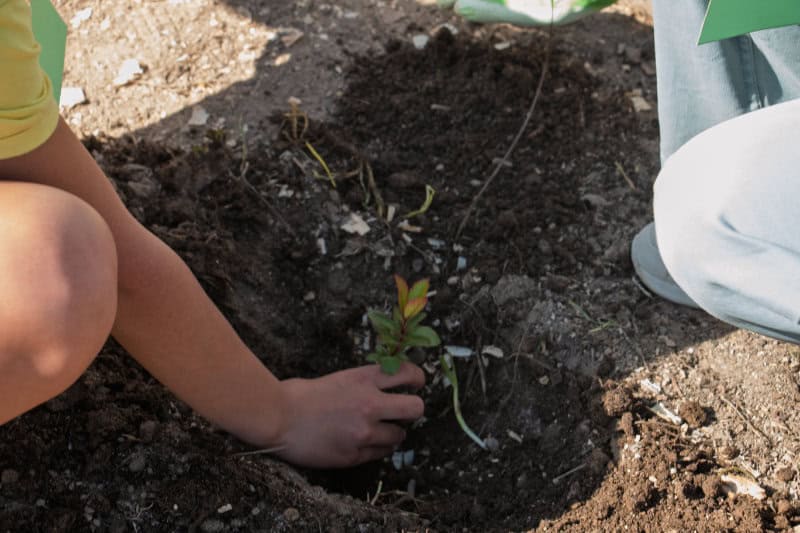
Environmental sustainability and adaptation to climate change are key challenges for the future of communities and regions. In this learning area, we have brought together resources and experiences that promote climate resilience, the sustainable use of natural resources, and the sustainable development of rural and low-density areas.
In partnership with communities, organisations and public and private bodies, we develop solutions that help to mitigate the impacts of climate change, prevent rural wildfires, promote biodiversity and strengthen local economies. This approach includes nature education and literacy initiatives, such as GROW, through microforests, and the integration of sustainable environmental management practices via the Green Marker.
Among the resources already available are the Practical Guide to Implementing Microforests, organised into ten steps, and an immersive 360° video that offers an insight into the experience of the Bairro da Tabaqueira neighbourhood, where solutions for the circular economy, sustainable mobility and energy efficiency were co-created with the active involvement of the community.
Coming soon:
- Green Marker tool
- Video course to support the use of the Green Marker.

Crescer Juntos – Early Years Education Resource Centre
‘Crescer Juntos’ is an initiative of the Aga Khan Foundation Portugal dedicated to early childhood education and development. It focuses on creating high-quality educational environments for children aged 0 to 6, in a variety of settings, ranging from nurseries and pre-schools to care provided by childminders and other carers.
To this end, it promotes the continuous professional development of those who work with children – from early years educators and technical and pedagogical leaders to educational practitioners, childminders and other carers – in close partnership with children, families and communities.
Participatory Pedagogy forms the pedagogical framework for this initiative, which is always developed ‘in partnership’, through context-based training, communities of practice and shared reflection on pedagogical practice and everyday life.
The resources made available are the result of a collaborative process between the Foundation’s team and professionals in the field. As public goods serving professional learning and the promotion of quality in early years education, they are organised around pedagogical quality and Participatory Pedagogy and are intended for professionals and carers who work with children, as well as for families and civil society partners. This collection includes complementary resources of various kinds:
- Studies and narratives on professional learning, such as Participatory Pedagogy: a narrative of professional learning sessions in partnership and Pedagogical documentation (Olivais Sul Children’s Centre), which illustrate the teams’ practices, dimensions and development pathways.
- Guides and support materials for training and practice, such as the Guide to Participatory Pedagogy: building quality in early years education and the Kit for Nannies and Other Carers (including the trainer’s guide), designed to support continuing professional development and day-to-day practice.
- Webinars for reflection and sharing, which promote dialogue between professionals and invited experts, such as the series The Child and Their Relational Environment.
- Training programmes aimed at organisations and professionals working with children aged 0 to 6, such as the training project for organisations Growing Together: Building Quality in Early Years Education (with the 4th edition taking place in the 2026–2027 academic year), as well as short-term training programmes and self-study courses for professionals on various topics relating to early years education and child development (under development).
Diversity, Equity and Inclusion
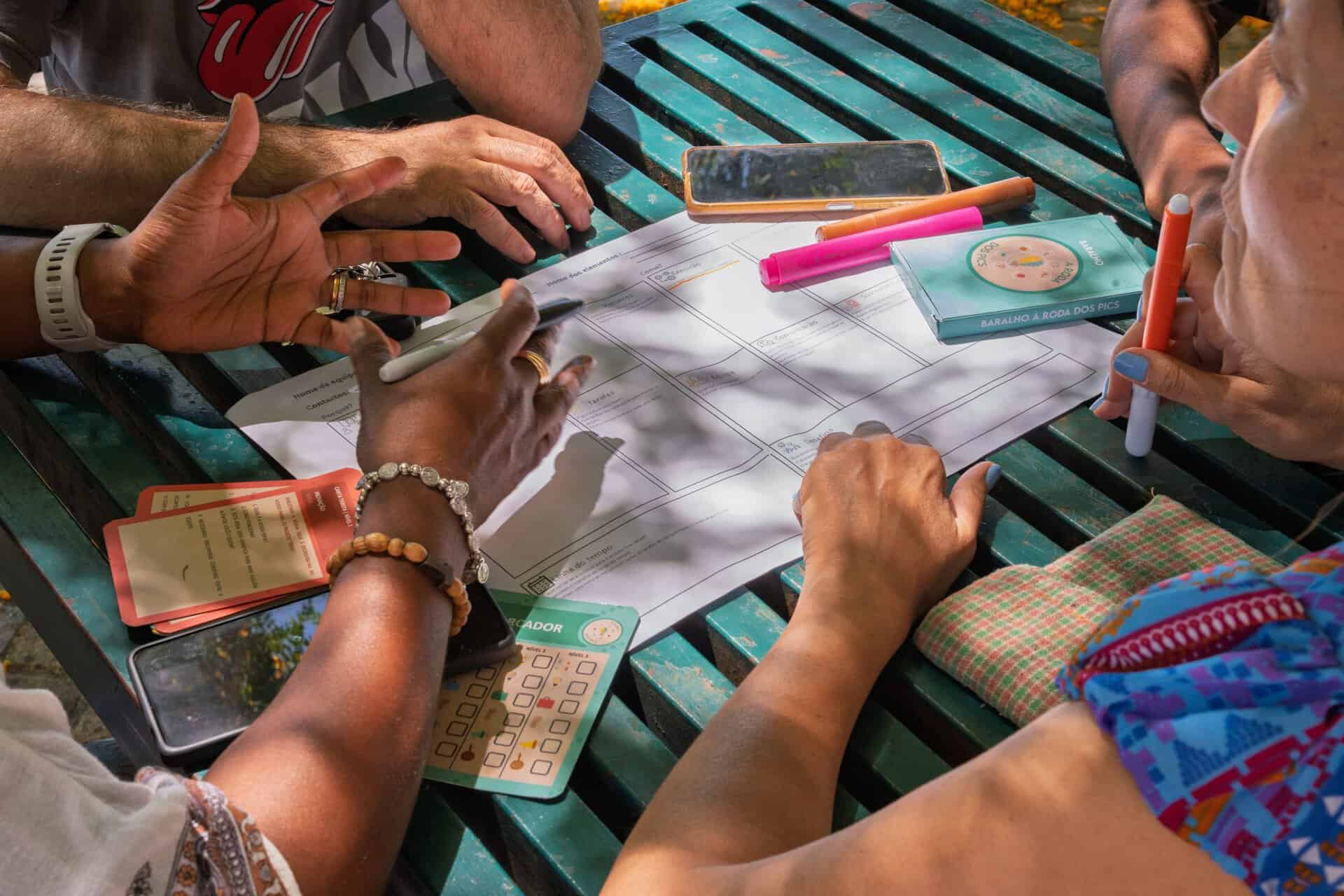
We believe that more inclusive societies are built when every person has the opportunity to participate, contribute and thrive, whilst valuing the diversity of their experiences, identities and cultural backgrounds.
To support this journey, the Aga Khan Foundation provides a range of resources for professionals, organisations and anyone interested in deepening their understanding of and practice of inclusion.
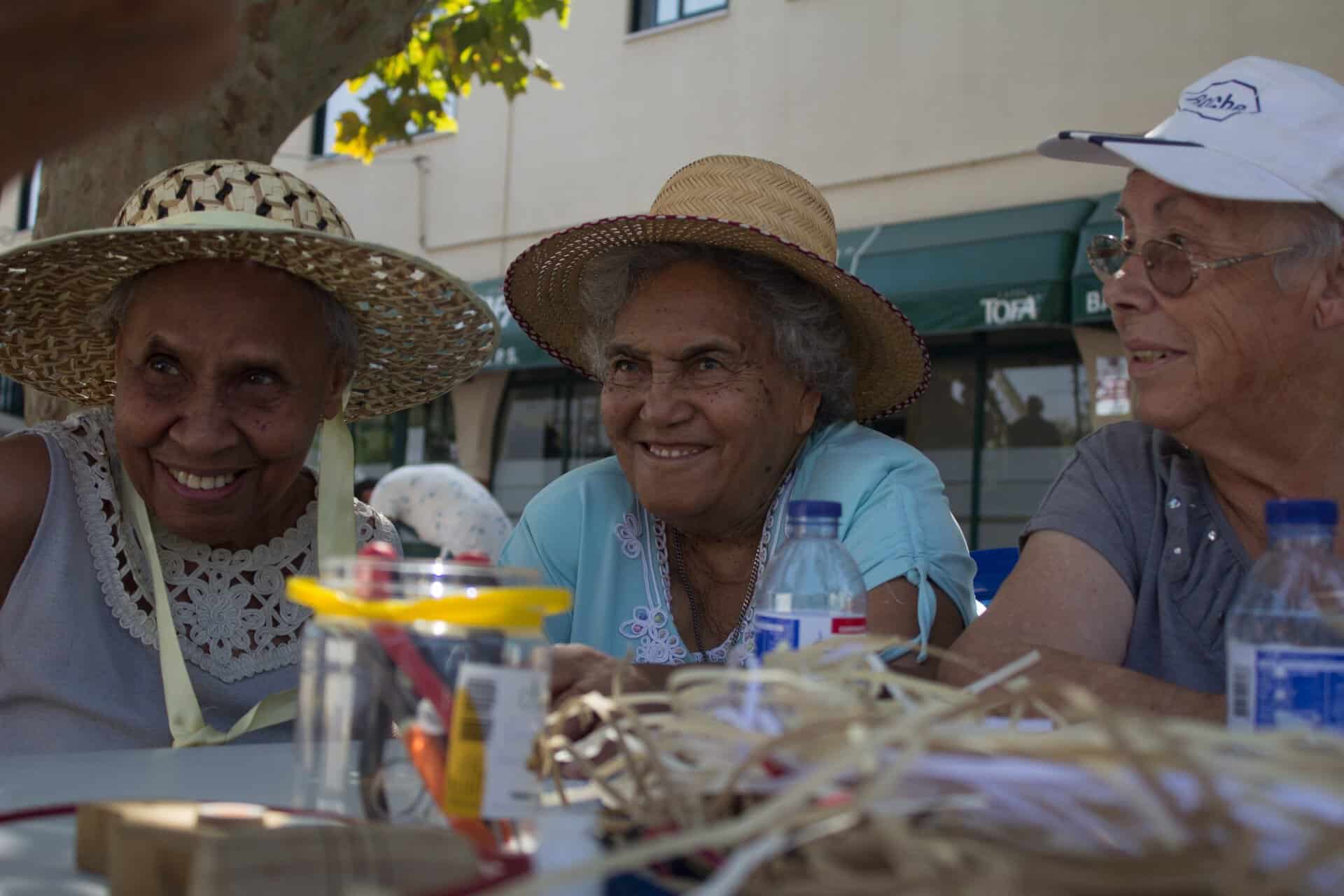
Smart4Ageing – Ageing is living with Qual’Idade
To promote the voice and representation of older people and to look after those who care for them.
Smart4Ageing is the Aga Khan Foundation Portugal’s programme to promote ageing with quality of life, dignity and participation. By developing knowledge, resources and innovative solutions, it seeks to create the conditions for people to continue living in their own homes and communities wherever possible, whilst maintaining their autonomy, independence and active role in society.
Smart4Ageing is based on three fundamental principles:
🏠 1. Ageing in Place | Ageing in Place
Promoting conditions that enable older people to continue living in their own homes and communities for as long as possible, preserving their routines, relationships and sense of belonging, rather than viewing institutionalisation as an inevitable response to this stage of life.
👤 2. Putting the person at the centre | A person-centred approach
Listening to, understanding and valuing each person’s needs, preferences, abilities and choices. Responses and services should be built around what is important to the older person themselves (a bottom-up approach).
🤝 3. (Re)creating the care ecosystem
Recognising that care is a shared responsibility. Professional and family carers, health and social support services, local authorities, organisations and communities all play a complementary role in promoting the well-being and quality of life of older people. The programme seeks to strengthen the skills and coordination between these different stakeholders.
There is also a fourth, very important and cross-cutting dimension:
🗣️ Giving older people a voice and the power to participate.
The participation of older people is a central element of this approach. Rather than merely being the recipients of services or policies, they should be involved in defining and improving them. Participatory methodologies and approaches such as Human-Centred Design help to identify needs, generate solutions and promote responses developed with people, rather than merely for them.
The resources available in this area are the result of several years of work, research and innovation in promoting ageing with a good quality of life, the participation of older people and the strengthening of care ecosystems.
Among the available resources, the ‘Cuidar com Qual’Idade’ collection stands out, comprising handbooks, training kits and support materials aimed at formal carers, family carers and anyone interested in deepening their knowledge of ageing. The content covers topics such as diet and nutrition, independence and functionality, participation and citizenship, lifelong learning, communication and relationships in care, promoting a practical and accessible approach to ageing well.
This section also includes studies and knowledge resources on the reality of care in Portugal, notably the Study on the Profile of Family Carers of Older People, which contributes to a better understanding of the needs and challenges faced by informal carers. In addition, it provides digital literacy materials for older people, designed to support digital inclusion, the safe use of technological devices and access to opportunities for online participation and learning.
All these resources aim to support professionals, carers, organisations, decision-makers and citizens in developing responses that are more centred on older people, thereby enhancing their independence, participation and quality of life.
To find out more, visit the Ser Maior Platform.
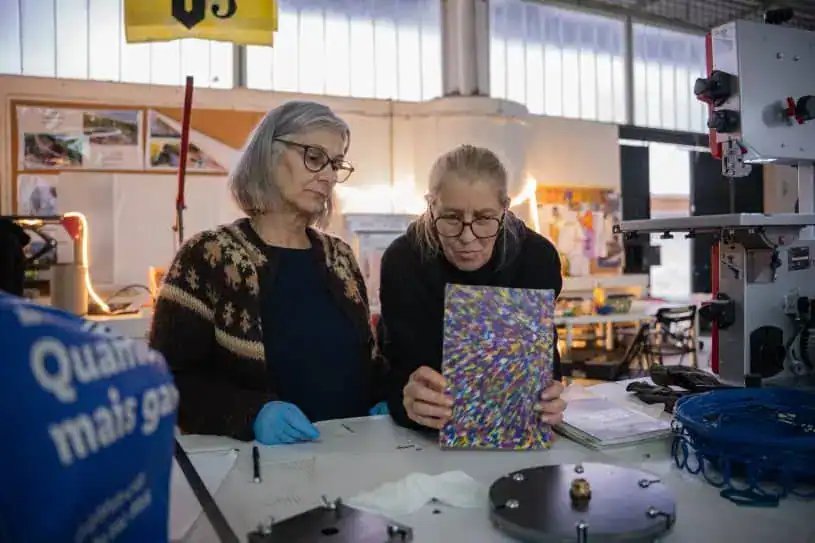
IMPULSO – Participating to Drive Innovation in Civil Society
Impulso is both an approach that evokes dynamism, collective action and community development in the areas where the Aga Khan Foundation Portugal operates, and an acronym standing for Identify, Mobilise, Participate, Unite, Connect, Sustain and Observe.
This learning area brings together resources, methodologies and tools that support the strengthening of civil society organisations and the creation of innovative responses to the challenges facing communities. It is based on the conviction that people’s active participation, collaboration between different stakeholders and the valuing of diversity are fundamental to building more inclusive, cohesive and resilient communities.
This vision is based on the experience accumulated by the Aga Khan Foundation Portugal in community development, citizen participation and social innovation. Over the years, this work has helped to create and strengthen spaces for collaboration between organisations, communities, the public sector, the private sector and academia, promoting innovative solutions to complex social challenges.
The resources provided include content on community mobilisation, participatory methodologies, participation and citizenship, solidarity and inclusion, participatory assessments, community innovation and organisational strengthening. They also include tools such as the OCA – Organisational Capacity Assessment and resources for engaging businesses in social projects. In conjunction with the Diversity, Equity and Inclusion learning area, these materials support organisations, professionals and community leaders in promoting participatory, inclusive practices geared towards collective impact.
As such, this area serves as a space for learning and sharing for anyone wishing to strengthen the capacity for participation, innovation and transformation within communities and civil society organisations.
কোথা থেকে শুরু করবেন নিশ্চিত নন?
প্লেসহোল্ডার
উদ্ভাবনী অনুশীলন
মর্যাদার সাথে বার্ধক্য
সম্প্রদায়ের সম্পৃক্ততা
অন্তর্ভুক্তিমূলক পরিবেশ
কে'সিদাদে একাডেমি হল আগা খান ফাউন্ডেশন পর্তুগালের একটি উদ্যোগ, যা এর সমর্থনে তৈরি করা হয়েছে। Aga Khan Foundation Learning Hub.